


Our Mission
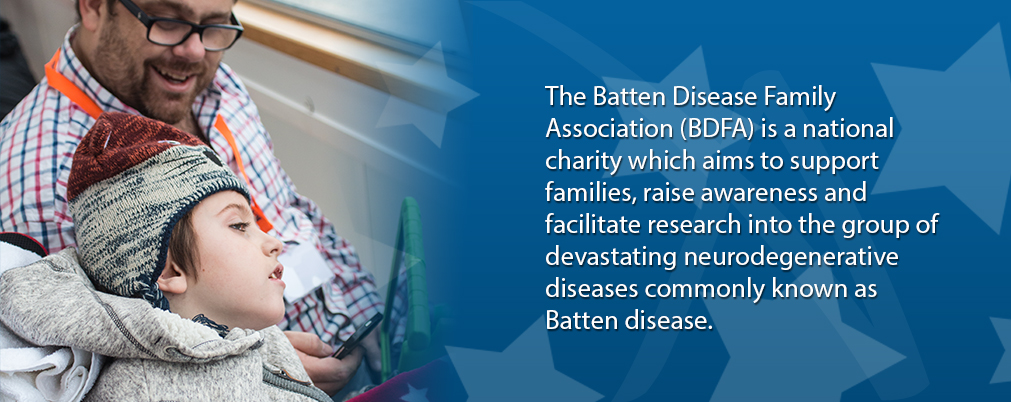
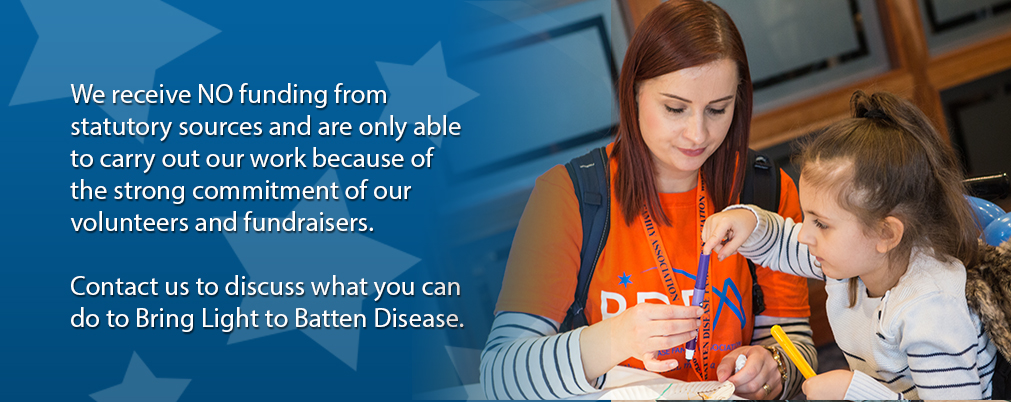
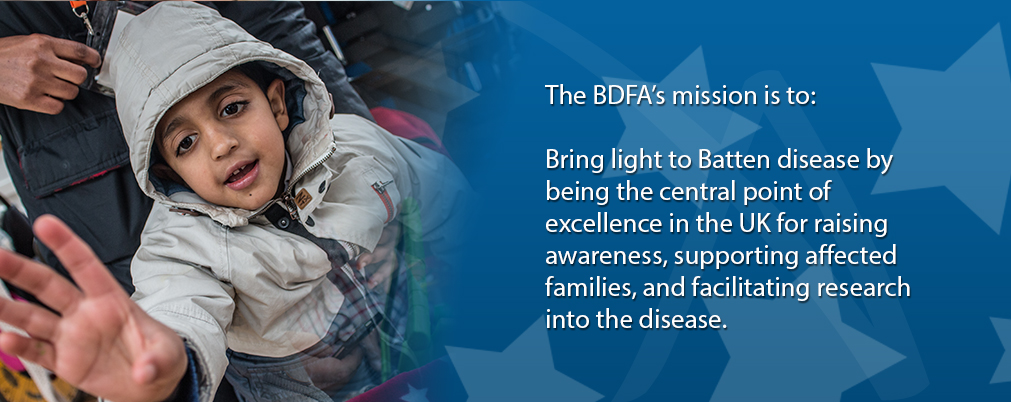
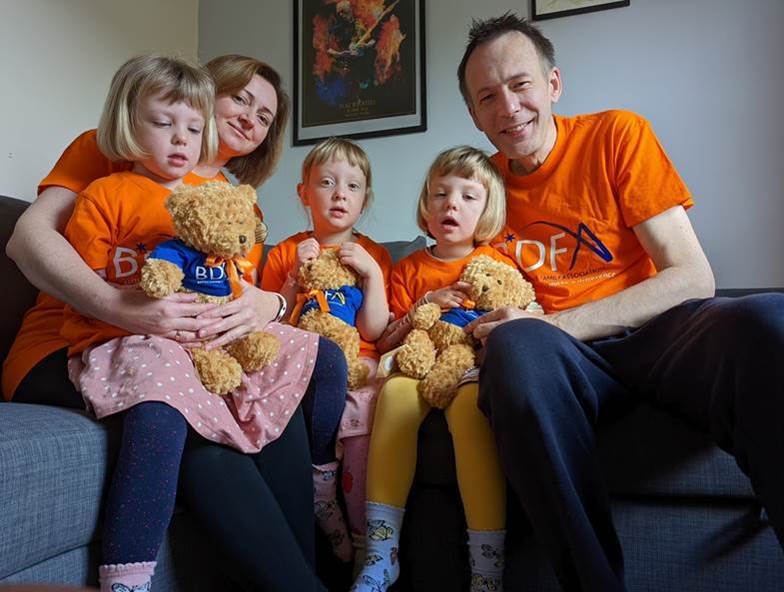
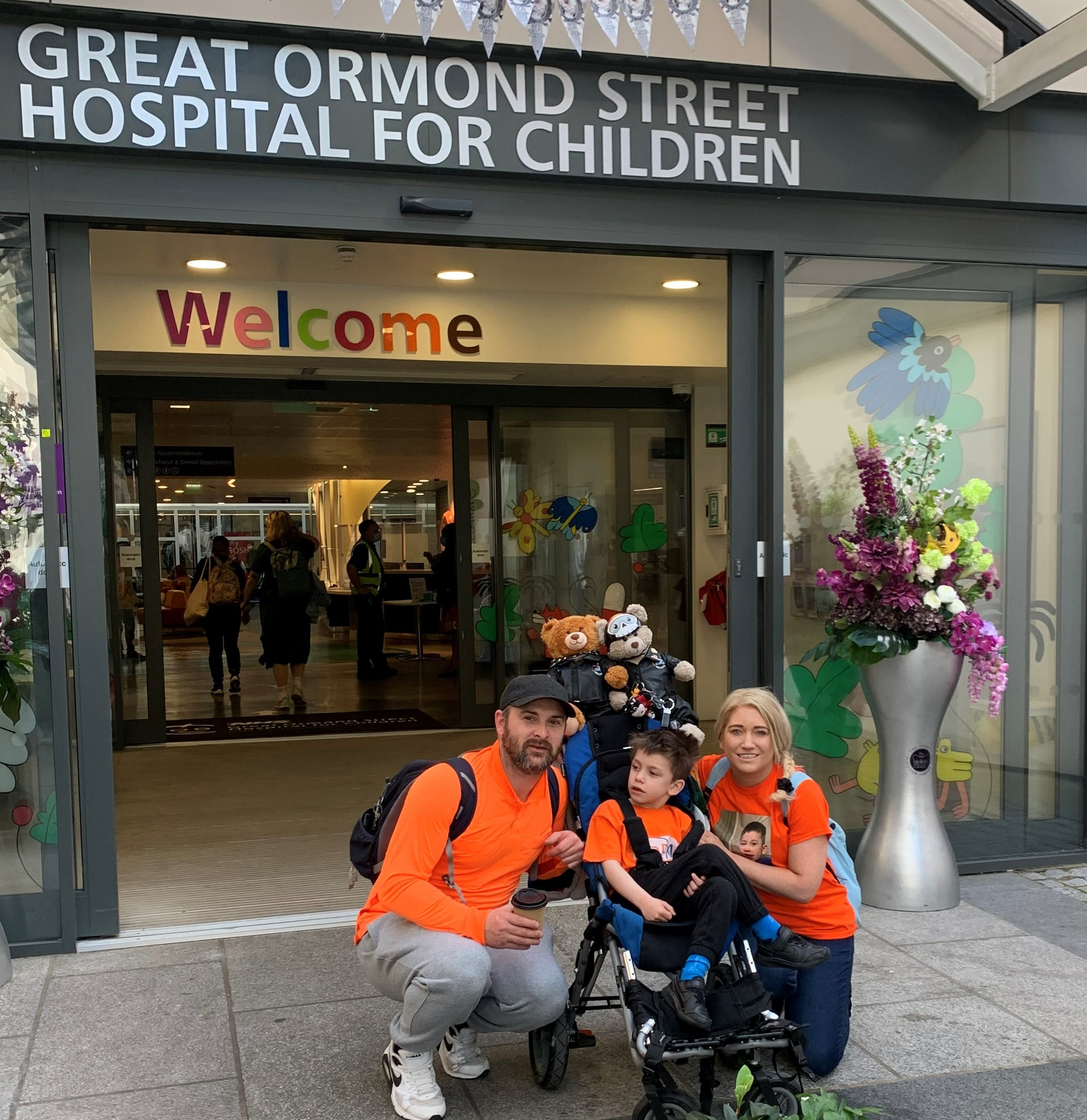
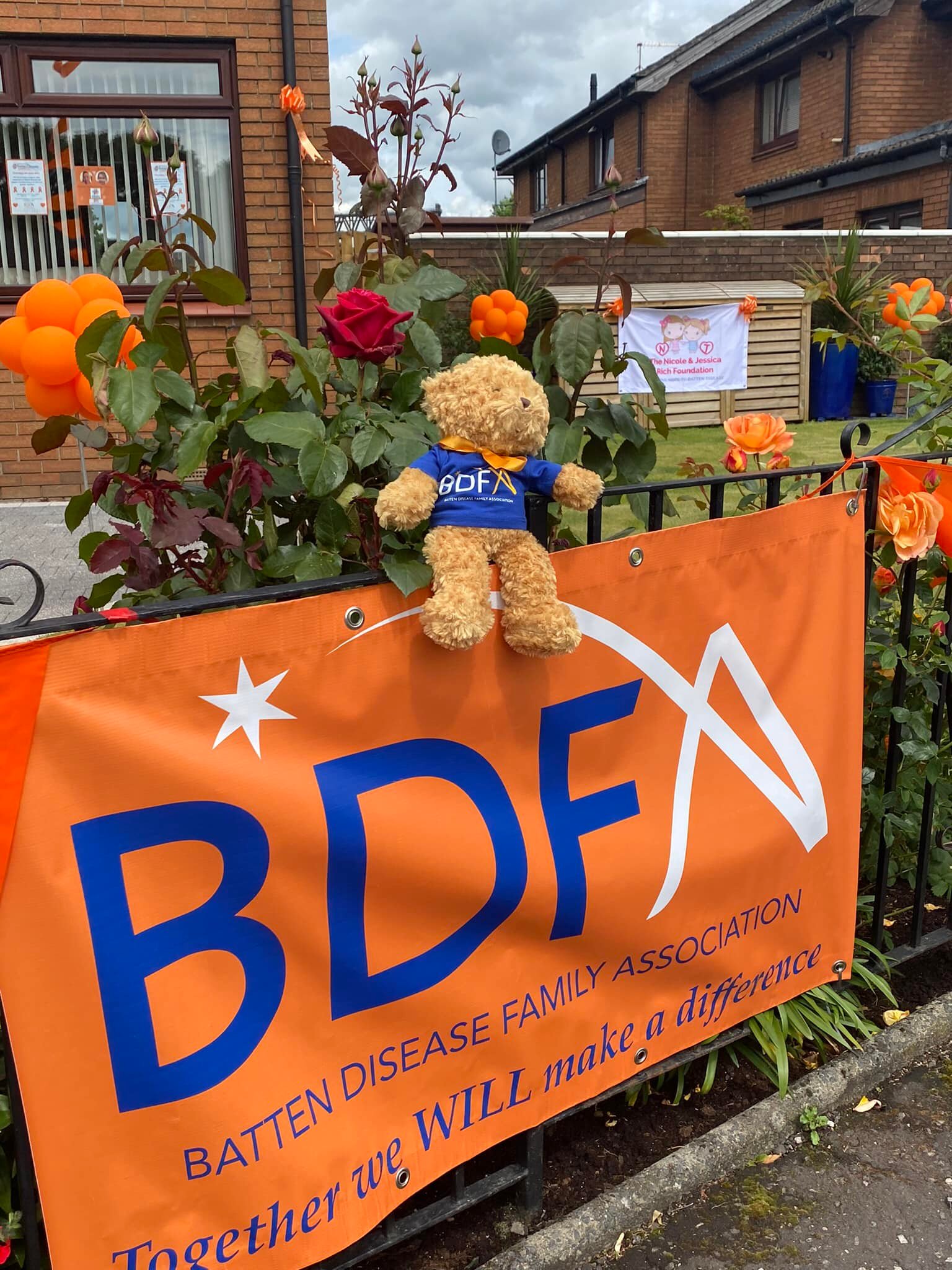
The BDFA’s mission is to enable everyone who is affected by Batten disease to live life to the full and secure the care and support they need until we find a cure.
The BDFA offers informed guidance and supports families and professionals who work with them as well as actively increasing awareness of the disease and funding future research to identify potential therapies and ultimately a range of cures.
The BDFA works across the rare disease sector to influence change in policy and processes as a collective voice.
Latest News
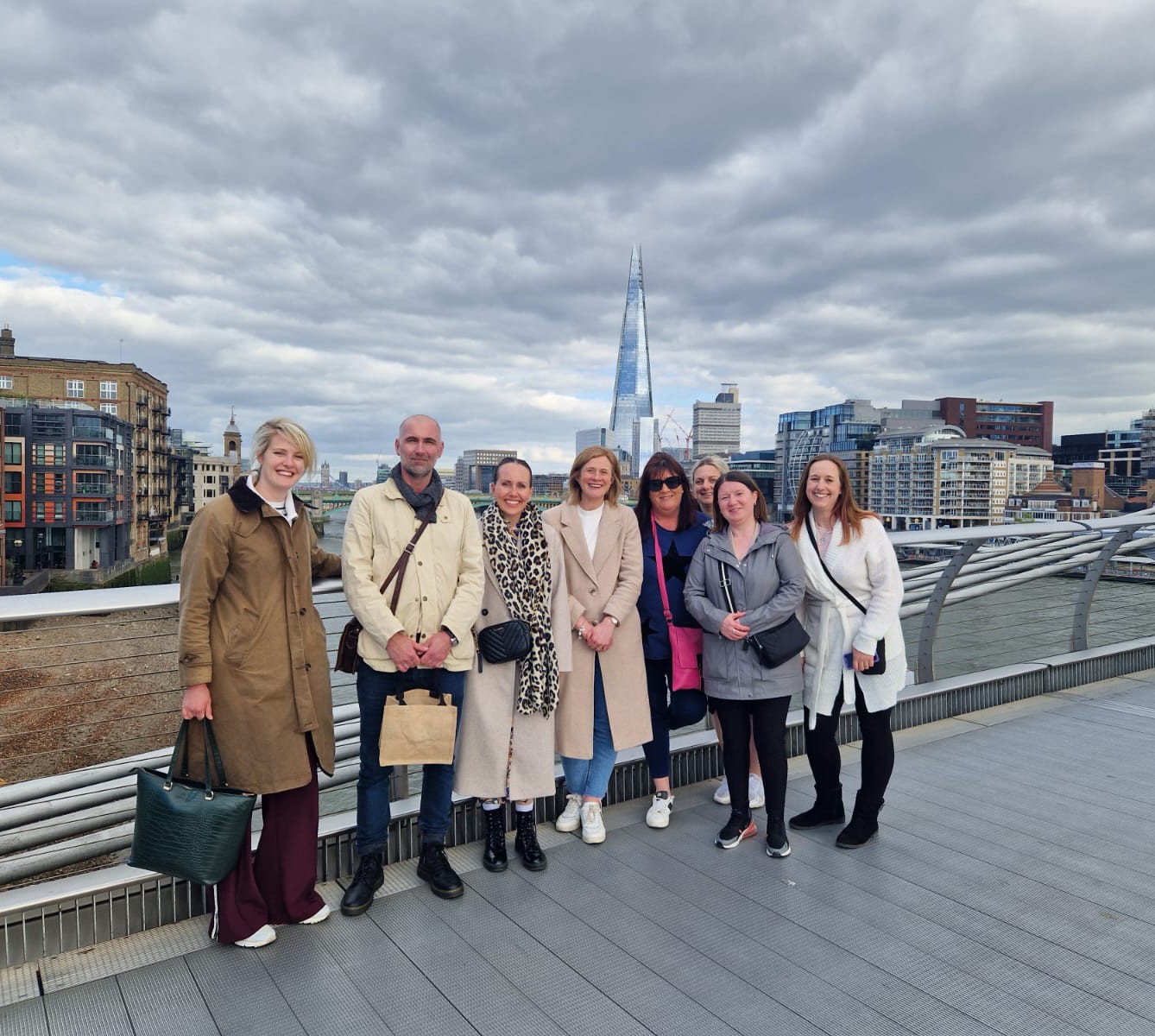
BDFA Peer Befriending Team training weekend
BDFA Peer Befriending Team had a weekend away together in London in April, organised by Peer Befriending Coordinator Mimi Petty. The team met together in person to receive training and…
UPDATE FROM THERANEXUS AND BEYOND BATTEN
Dear Families, Theranexus and their partner Beyond Batten Disease Foundation, have announced final and positive safety and efficacy data in the Phase I/II trial testing Batten-1. You can find a…

We’re supporting Newlife Charity’s new report, Fight For Our Future
As part of our work with Disabled Children's Partnership we are supporting Newlife the Charity for Disabled Children new report, 'Fight For Our Future', which reveals the bleak situation facing…
Help support Short Lives Cant Wait by signing the letter to the Prime Minister
Together for Short Lives has launched their ‘Short Lives can’t wait’ campaign this evening and we are encouraging families in the Batten community to get involved. Seriously, ill children and…
Joint Statement to the Global Batten Disease Community regarding update on Lexeo’s CLN2 disease gene therapy program
Dear Batten community, Over the past few years, Lexeo Therapeutics has been involved in developing an AAV-mediated gene therapy program for treating CLN2 Batten disease. However, additional funding and resources…
Latest News

Invite your MP to Child Trust Fund Westminster Hall debate, important debate in Parliament next Tuesday 19 March at 4.30pm
Update from Disabled Children’s PartnershipThe amazing parent campaigner Andrew Turner has secured a Westminster Hall debate on Child Trust Funds for disabled young people. This is happening next Tuesday…
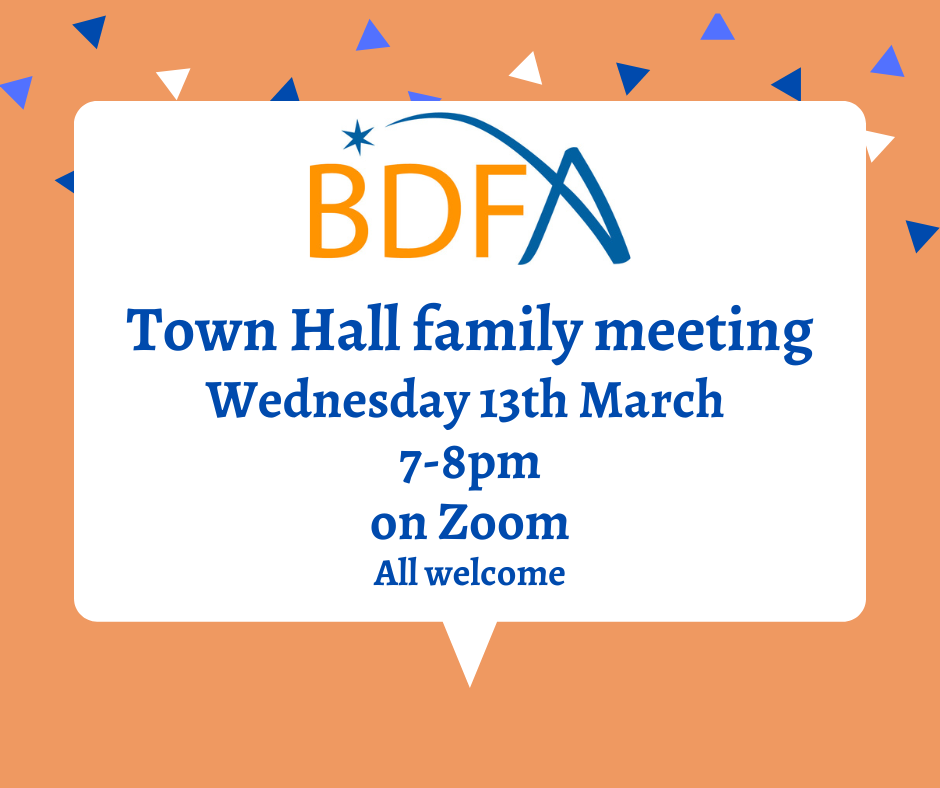
Next quarterly Town Hall Meeting
Dear Families,The BDFA Team and Trustees would like to invite you to our next quarterly Town Hall Meeting at 7pm on Wednesday 13th March.The purpose of the meeting is to…
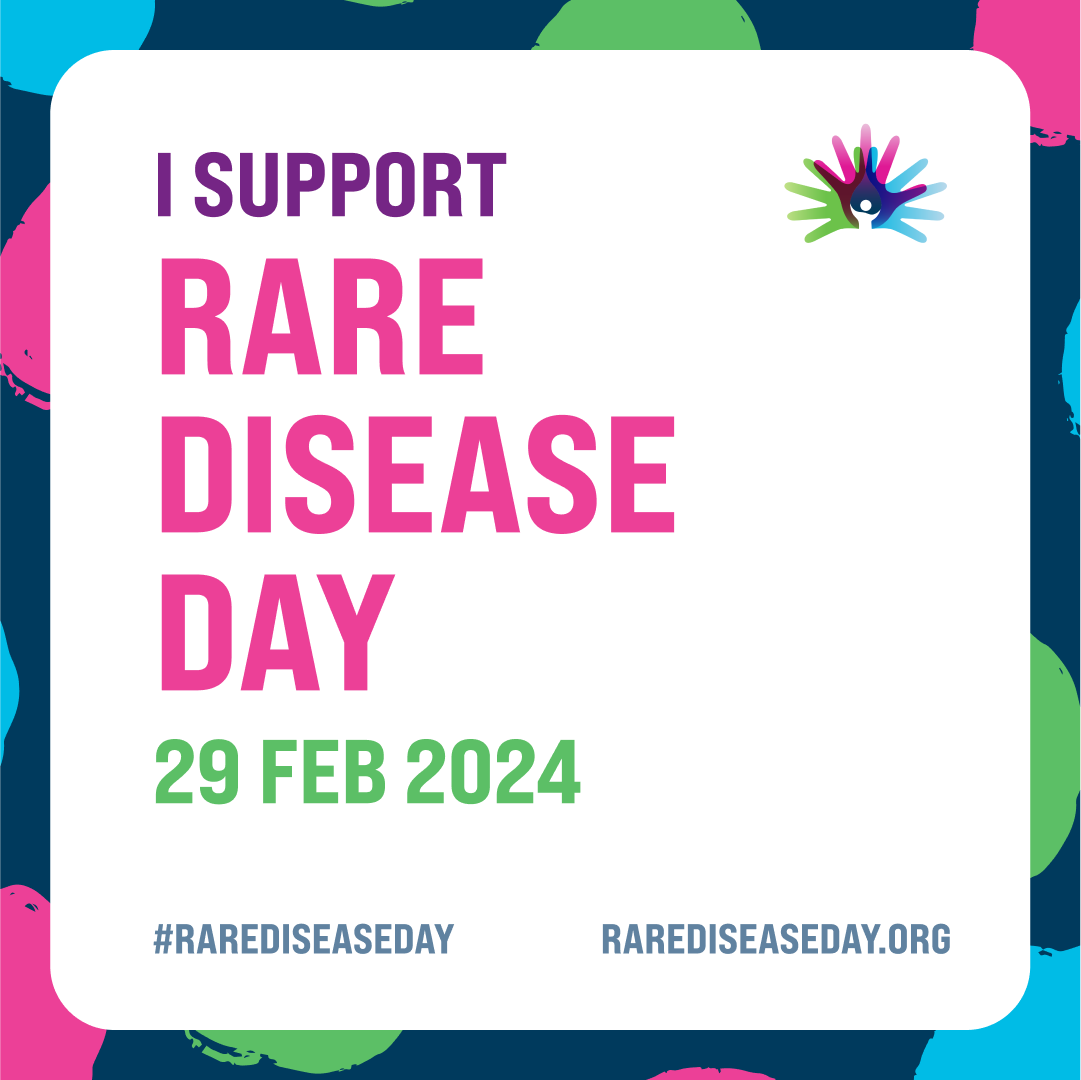
Today, we stand together for Rare Disease Day! 29th February 2024
Let's raise awareness and support for those living with rare diseases. Every person battling a rare condition is a warrior, showing incredible strength, resilience, and determination in the face of…
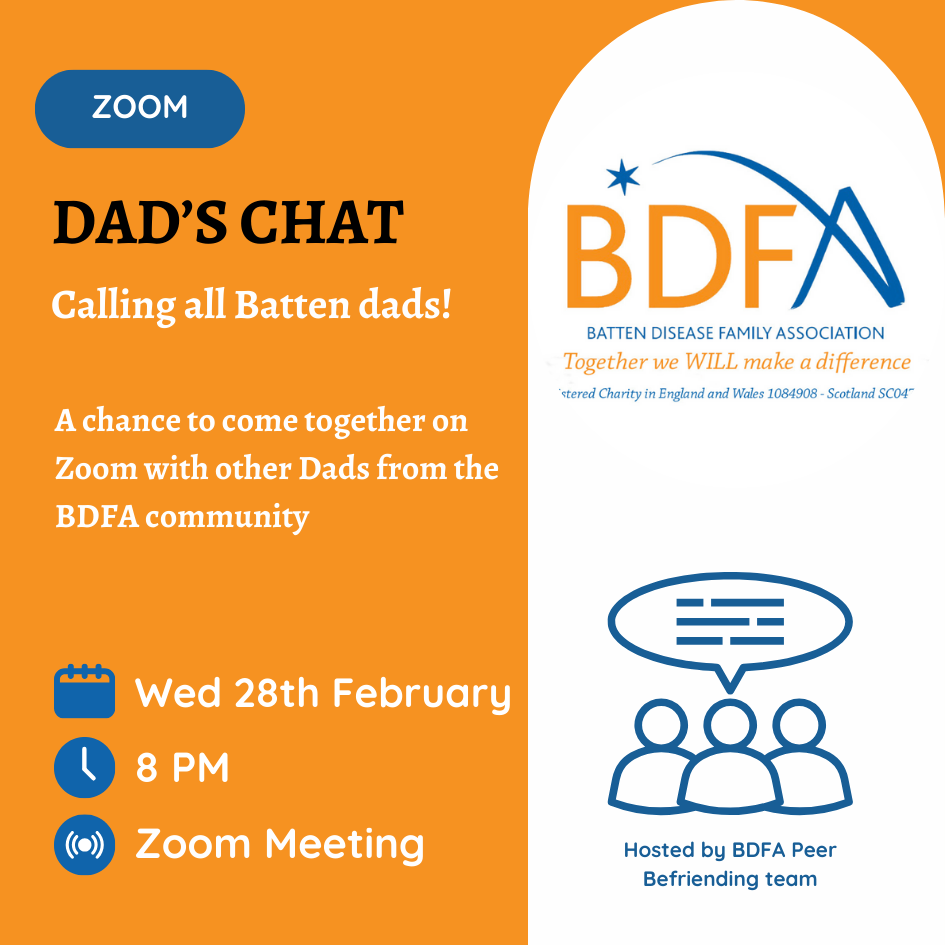
NEXT DAD’S CHAT, Wednesday 28th February at 8pm
A chance to come together on Zoom with other dads from the BDFA community and have a chat.Led by trained Peer Befriender Andrew Dawkins and James Yarrow. If you are…
Theranexus Update for CLN3 Programme
Dear Families, You may be aware that there was a press release last week from Theranexus about the Batten-1 clinical trial for CLN3 (Theranexus_PR_Cash_Position_Dec_31_2023_VDEF.pdf). Beyond Batten have followed this up…

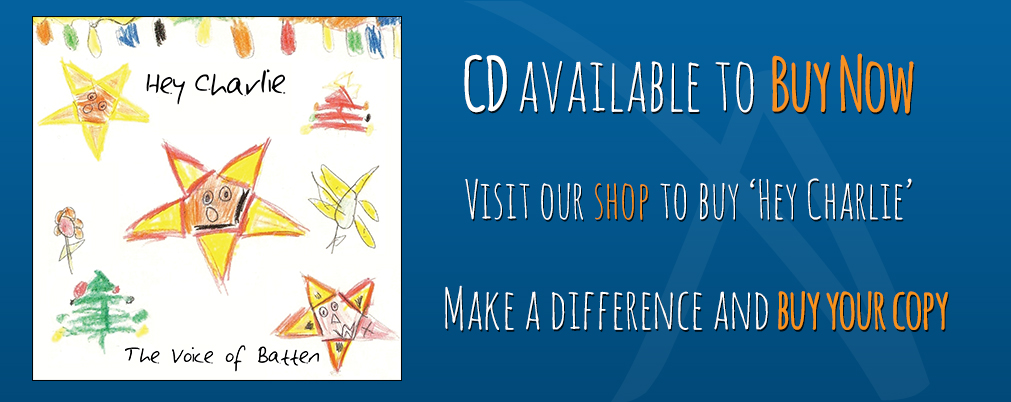
Visit the online shop to help support the work of the BDFA